Body Composition Fundamentals

Understanding the different tissue types that make up the human body

What is Body Composition?

Body composition refers to the breakdown of body weight into different tissue components. Rather than simply looking at total weight, body composition analysis examines the proportions of muscle, fat, bone, and water that comprise the human body.

Understanding body composition is important because it provides more detailed information about body structure and health than weight alone. Two people may weigh the same but have vastly different body compositions based on their muscle and fat tissue proportions.

Body composition changes based on multiple factors including physical activity, nutrition, age, genetics, and overall lifestyle. These changes occur gradually and are influenced by the complex interactions of biological systems.
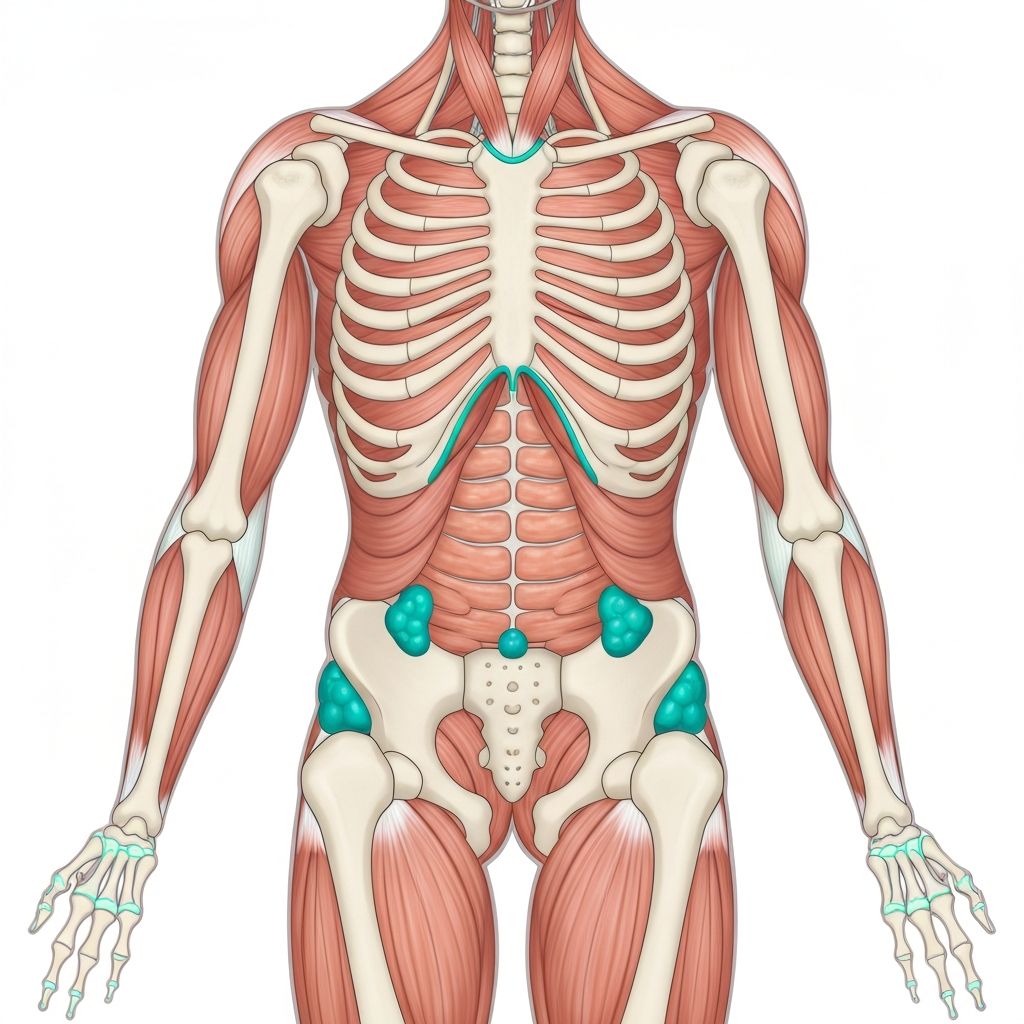
Scientific illustration of body tissue composition

Major Body Tissue Types

Muscle Tissue

Skeletal muscle tissue is responsible for voluntary movement and supports metabolic activity. Muscle tissue is metabolically active, meaning it requires energy even at rest. Different types of muscle tissue have different functions—skeletal muscle for movement, cardiac muscle for heart function, and smooth muscle for organ functions.

Adipose Tissue

Adipose tissue, commonly known as fat tissue, serves multiple biological functions. It stores energy in the form of triglycerides, provides insulation, protects organs, and produces hormones that influence metabolism and other bodily functions. Adipose tissue distribution varies among individuals based on genetics and lifestyle factors.

Skeletal Tissue

Bone tissue provides structural support for the body, protects vital organs, and serves as a site for blood cell production. Bone composition includes mineral content and organic matrix. Bone density and mass change based on factors like physical activity, nutrition, and age.

Water and Other Components

The human body is primarily composed of water, which comprises approximately 60% of body weight. Water is essential for cellular function, nutrient transport, temperature regulation, and metabolic processes. Other body components include organs, connective tissue, and various biological systems.

Factors Influencing Body Composition

Body composition is influenced by a combination of factors:

  • Genetics: Hereditary factors influence muscle potential, fat storage patterns, and metabolic efficiency
  • Physical Activity: Movement and exercise support muscle tissue development and maintenance
  • Nutrition: Adequate protein intake and overall energy balance support tissue development and maintenance
  • Age: Body composition typically changes across the lifespan, with muscle mass generally declining with age
  • Sleep and Recovery: Adequate rest supports metabolic function and tissue recovery
  • Hormonal Factors: Hormones regulate metabolic processes and tissue development
Educational Information: This article provides general scientific information about body composition. It is not medical advice or personalized recommendation. For individual health guidance, consult qualified healthcare professionals.
Back to Blog